Sentinelle Program: Preventing Student Suicide Through Peer Support
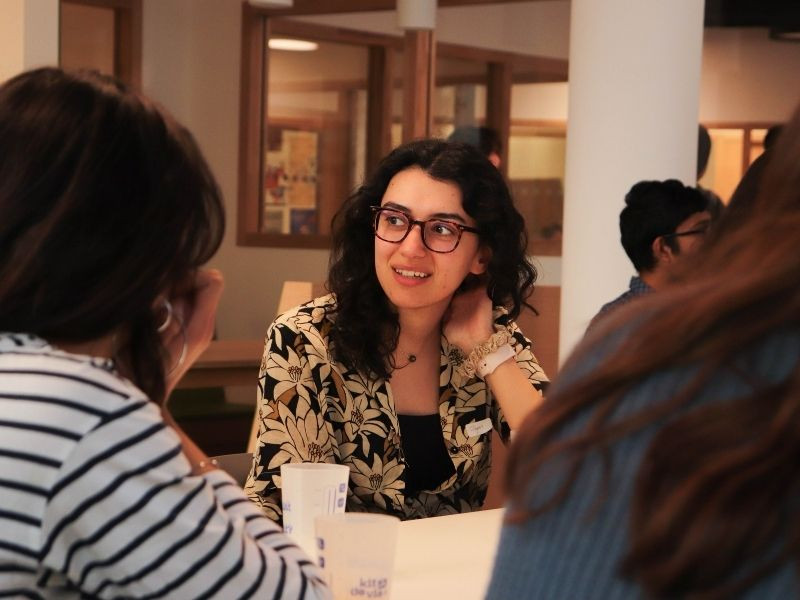
The Sentinelle Program is a suicide prevention initiative designed for students. Created by Nightline in partnership with the GEPS (Groupe d’Étude et de Prévention du Suicide – Study and Suicide Prevention Group), it trains students to recognize psychological distress in their peers and direct them toward appropriate resources. More than 500 students have already been trained in France. The training lasts 9 hours, is free of charge, and is led by mental health professionals.
What is the Sentinelle Program?
The Sentinelle Program aims to strengthen prevention efforts on university campuses.
It is based on a simple idea: students are often the first to notice when a classmate is not doing well.
The goal is not to replace psychologists or medical professionals. Instead, it focuses on opening dialogue, reducing isolation, and guiding students toward appropriate support services.
An initiative developed with GEPS
The peer-support program was developed in collaboration with GEPS, a French association specialized in suicide research and prevention. This partnership ensures a strong scientific foundation. The training is delivered by mental health professionals and trained student facilitators. It follows national recommendations on suicide prevention.
Peer support: students supporting students
The Sentinelle training is based on peer support. Peer support refers to providing help grounded in shared experience. In the student context, this proximity fosters trust and open conversation.
A Sentinelle can:
- identify signs of psychological distress,
- start a respectful and supportive conversation,
- guide someone toward a health service or listening support line.
A Sentinelle does not provide a diagnosis and does not offer therapeutic care.
What does the Sentinelle training include?
The training lasts 9 hours and takes place in small groups of up to 10 participants. It is divided into two sessions.
A 3-hour informal evening session
This first session helps create a safe and trusting environment. It covers the basics of student mental health and common perceptions around distress.
A 6-hour practical training session
This session focuses on concrete tools.
Participants learn how to:
- identify warning signs of psychological distress,
- ask open-ended questions,
- listen without judgment,
- guide peers toward appropriate resources.
A key part of the training addresses how Sentinelles can protect their own mental health. The objective is to help others without becoming overwhelmed.
What happens after the training?
After completing the program, students join a network of Sentinelles within their institution. They become identified peer support contacts within the student community.
When a situation of distress is identified, a Sentinelle:
- initiates a conversation,
- listens attentively,
- refers the student to a professional if needed.
Regular discussion sessions, supervised by a mental health professional, are organized. These sessions allow Sentinelles to share experiences and gain perspective.
Testimonials
Emy explains: “I didn’t know how to help a loved one who wasn’t doing well. The training helped me find the right words and listen without judgment.”
Sarah shares: “I learned simple techniques to approach someone who seemed isolated and start a conversation with kindness.”
These testimonials illustrate the practical impact of the training.
How can you identify a Sentinelle?
If you would like to contribute to improving student mental health, you can:
- join Nightline as a volunteer on the listening helpline,
- help facilitate the Mental Health Mural ,
- speak to your institution about implementing the Sentinelle program,
- share mental health resources around you.
Every action helps strengthen prevention efforts on campuses.
Les modalités d’engagement et d’inscription sont détaillées sur le site Nightline.